
Ceiling Fan Installation
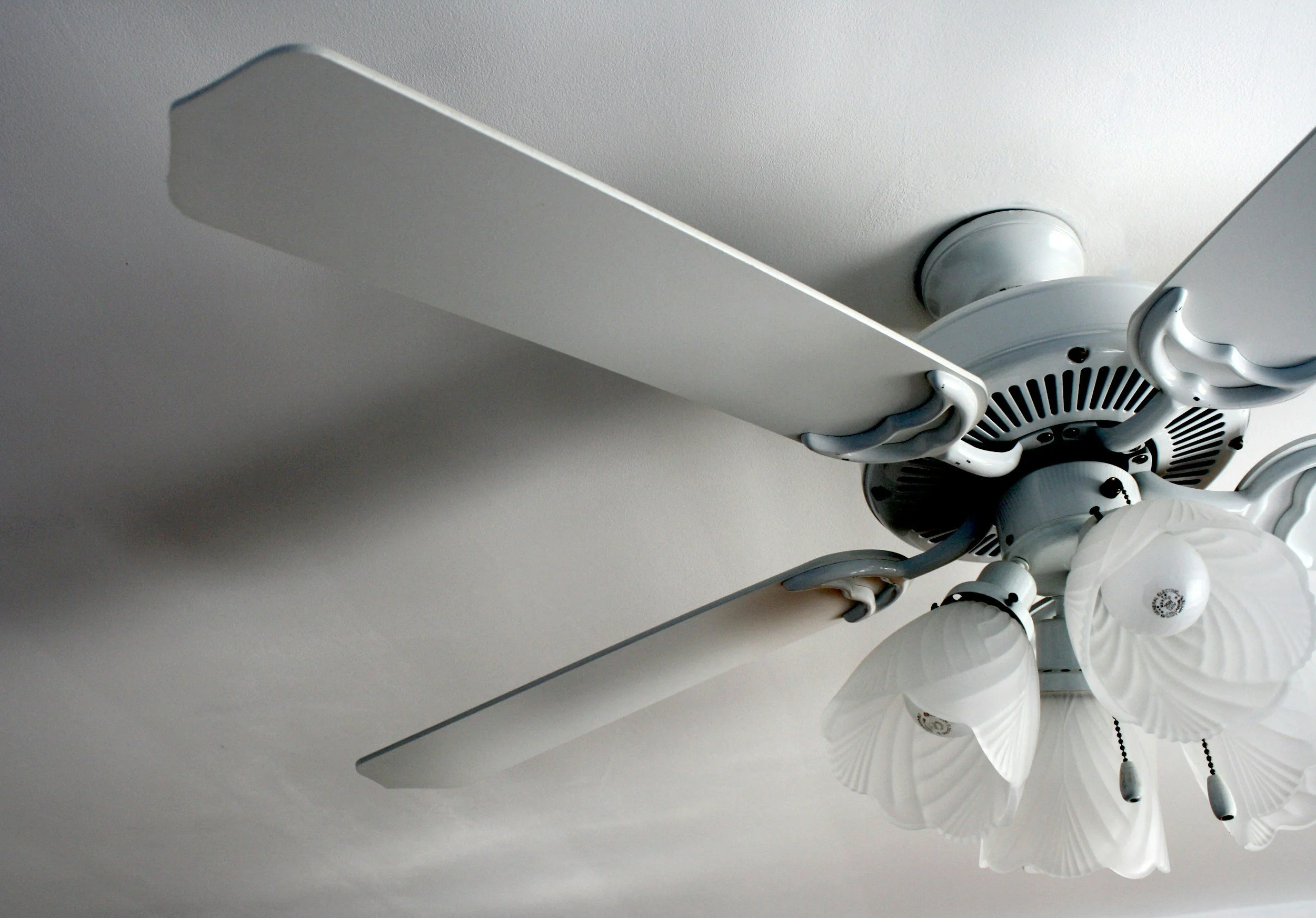
Ceiling Fan Installation — Safe, Secure, and Done Right
A ceiling fan should do one thing really well: keep your space comfortable without wobbling, buzzing, or becoming a safety concern.
Whether you’re replacing an old fan or installing a new one where there wasn’t one before, proper electrical support and secure mounting make all the difference.
I install ceiling fans the right way—solid mounting, clean wiring, and dependable operation.
Need a Ceiling Fan Installed or Fixed? Whether it’s a new install or an existing issue, I can make sure it’s done safely and runs the way it should.
-
You may want to consider a new fan—or service on an existing one—if you notice:
Wobbling or shaking while running
Clicking, humming, or buzzing sounds
Fan controlled by a switch that doesn’t work correctly
No ceiling fan where airflow is needed
Old or outdated fixture not rated for fan support
Light fixture being used where a fan should be installed
Ceiling fans aren’t just fixtures—they’re moving equipment that must be properly supported.
-
New Installations
Installing ceiling fans where no fixture exists
Adding proper electrical boxes rated for fan support
Running new wiring if needed
Replacement & Upgrades
Swapping outdated or noisy fans
Upgrading to modern, energy-efficient models
Installing fans with lights or smart controls
Repairs & Corrections
Fixing wobbling or unstable fans
Correcting improper installations
Repairing switch or wiring issues
-
A ceiling fan is heavier and more dynamic than a standard light fixture.
That means it requires:
A fan-rated electrical box
Secure mounting to structural framing
Proper wiring connections
Balanced installation for smooth operation
💡 A shortcut install can lead to noise, damage, or safety issues over time.
-
Fans wobbling or shaking
Fans that don’t respond to switches correctly
Improperly supported ceiling boxes
Fans installed on light fixture-rated boxes
Noisy or vibrating operation
Wiring issues after DIY installs
-
Proper fan-rated mounting every time
Clean, secure electrical connections
Balanced installation for smooth operation
Code-compliant work done safely
Respect for your home and finishes
-
Review of your ceiling and electrical setup
Confirmation of proper support requirements
Installation or correction of mounting and wiring
Testing for safe, quiet operation
Final walkthrough to ensure everything runs smoothly
-
Install ceiling fans in bedrooms and living spaces
Replace outdated or noisy fans
Add fans where only light fixtures exist
Fix unstable or improperly installed fans
Upgrade to remote or smart-controlled fans
-
A properly installed ceiling fan improves airflow, reduces energy use, and adds comfort to your home year-round.
But only when it’s installed correctly.