
Lighting Design
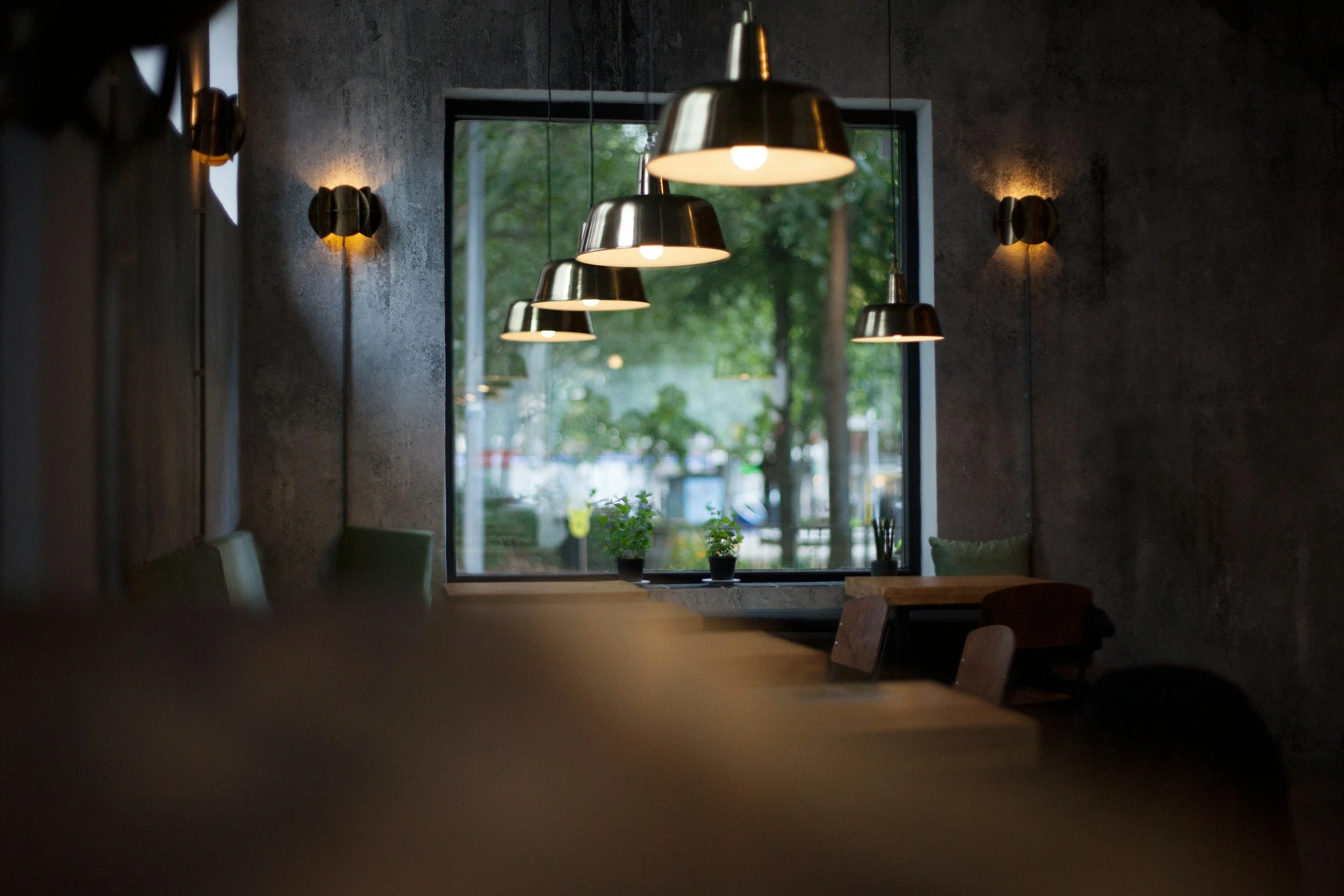
Lighting Design — Thoughtful, Functional, and Beautifully Done
Good lighting does more than brighten a room—it changes how a space feels, functions, and flows.
Whether you’re updating a single room or planning a full-home improvement, proper lighting design brings comfort, clarity, and balance to your space.
I focus on practical lighting design that looks great, works correctly, and fits how you actually live in your home.
Thinking About Upgrading Your Lighting?
If your space feels too dark, too bright, or just not quite right, I can help design and install a better solution.
-
Lighting design isn’t just picking fixtures—it’s planning how light interacts with your space.
A well-designed lighting setup considers:
Function (what you do in the space)
Placement (where light is needed most)
Layering (ambient, task, and accent lighting)
Controls (switches, dimmers, and smart options)
Efficiency and long-term reliability
💡 The goal is simple: the right light, in the right place, at the right time.
-
Kitchen Lighting
Recessed lighting layouts
Under-cabinet task lighting
Island pendant placement
Dimmer-controlled zones
Living Spaces
Layered ambient and accent lighting
Fireplace or feature wall lighting
Reading and task lighting solutions
Bedrooms
Ceiling lighting placement
Reading lights or sconces
Dimmer-controlled comfort lighting
Bathrooms
Vanity lighting placement
Shower and recessed lighting
Bright, shadow-free illumination
Exterior Lighting
Entryway and porch lighting
Landscape and pathway lighting
Security and motion lighting
-
Poor lighting is one of the most common issues in homes—and one of the easiest to fix when planned correctly.
Good lighting design can:
Make rooms feel larger and more comfortable
Reduce eye strain and shadows
Improve safety in key areas
Highlight architectural or design features
Increase overall home value and appeal
-
A well-balanced lighting plan typically includes:
Ambient lighting – overall room illumination
Task lighting – focused light for activities
Accent lighting – highlighting features or adding depth
When these layers work together, the space feels natural and usable—not harsh or uneven.
-
Lighting isn’t just about fixtures—it’s also about control.
Options may include:
Standard switches
Dimmer switches
3-way switching for larger rooms
Smart lighting controls
The right setup makes your lighting more flexible and energy-efficient.
-
Rooms that are too dark or unevenly lit
Too many or poorly placed recessed lights
Harsh overhead lighting with no balance
Outdated fixtures that don’t match the space
Poor switch placement or control issues
-
Practical, real-world lighting solutions
Clean, intentional fixture placement
Focus on how you use each space
Code-compliant electrical work
Attention to both function and appearance
-
Walkthrough of your space and goals
Discussion of how the space is used
Lighting layout and solution options
Installation and wiring work
Final testing and adjustment
-
Full-room lighting redesigns
Kitchen and bathroom lighting upgrades
Recessed lighting layouts
Fixture relocation or replacement
Adding dimmers and lighting zones
-
Most homes don’t need more light—they need better light.
A thoughtful lighting design can completely change how your home looks and feels, without major renovation work.