
Electrical Saftey Inspection
If you live in an older home, you may have heard the phrase “electrical safety inspection” but not really known what it involves—or whether you actually need one.
In Chelmsford and throughout Massachusetts, many homes were built long before today’s electrical demands. Back then, houses weren’t designed for electric vehicles, central air, induction stoves, home offices, or multiple refrigerators. That’s why electrical safety inspections are especially important in older homes.
Here’s what actually happens during one.
Why Older Homes Need Electrical Safety Inspections
In many homes built before the 1980s, electrical systems have been:
Modified multiple times by different contractors
Expanded without full upgrades
Knob & Tube left partially original behind finished walls
Even if everything seems to be working, hidden issues can still pose safety risks.
An electrical safety inspection is about identifying those issues before they become a problem.
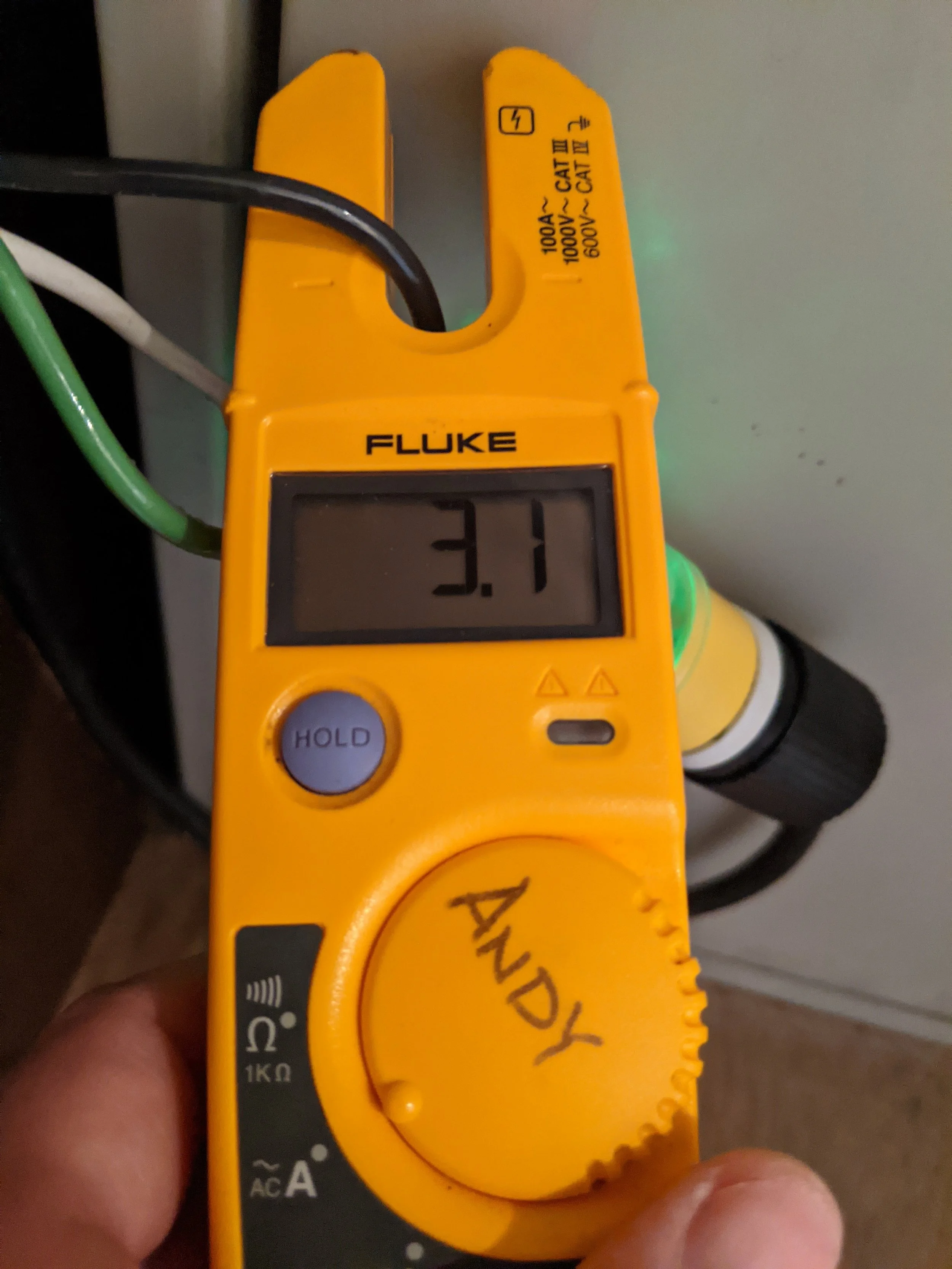
What an Inspection Typically Includes
1. Electrical Panel Evaluation
The panel is the heart of your electrical system. During an inspection, I look for:
Proper breaker sizing
Double-tapped breakers
Signs of overheating or corrosion
Fuse panels or outdated equipment
Adequate service size for modern loads
Many older homes still have 60 amp or 100 amp services, which may be undersized for today’s needs.
2. Wiring Assessment
I check accessible wiring for:
Cloth-insulated wiring
Knob-and-tube remnants
Improper splices
Missing grounding
Signs of past overheating
Not all older wiring is immediately dangerous—but some types deserve closer attention.
3. Grounding and Bonding
Proper grounding wasn’t always required when older homes were built. I check:
Grounding electrode systems
Bonding at water and gas lines
Grounding continuity at outlets
This is critical for both safety and equipment protection.
4. Outlet and Device Safety
I inspect:
Loose or damaged outlets
Missing GFCI protection in kitchens, bathrooms, garages, and basements
Improperly installed devices
Overloaded circuits
5. General Safety Concerns
This includes:
Extension cord usage
Signs of DIY work
Improper junction boxes
Fire risk indicators
What Happens After the Inspection
You’ll receive:
A clear explanation of any issues found
Which items are safety-related vs. recommended upgrades
Guidance on what should be addressed first
There’s no pressure—just information so you can make informed decisions.
Is an Inspection Worth It?
For owners of older homes, absolutely. Inspections often catch small issues early, before they turn into costly or dangerous problems.
If you own an older home in Chelmsford or the surrounding area and want a professional electrical safety inspection, feel free to reach out to schedule an evaluation.